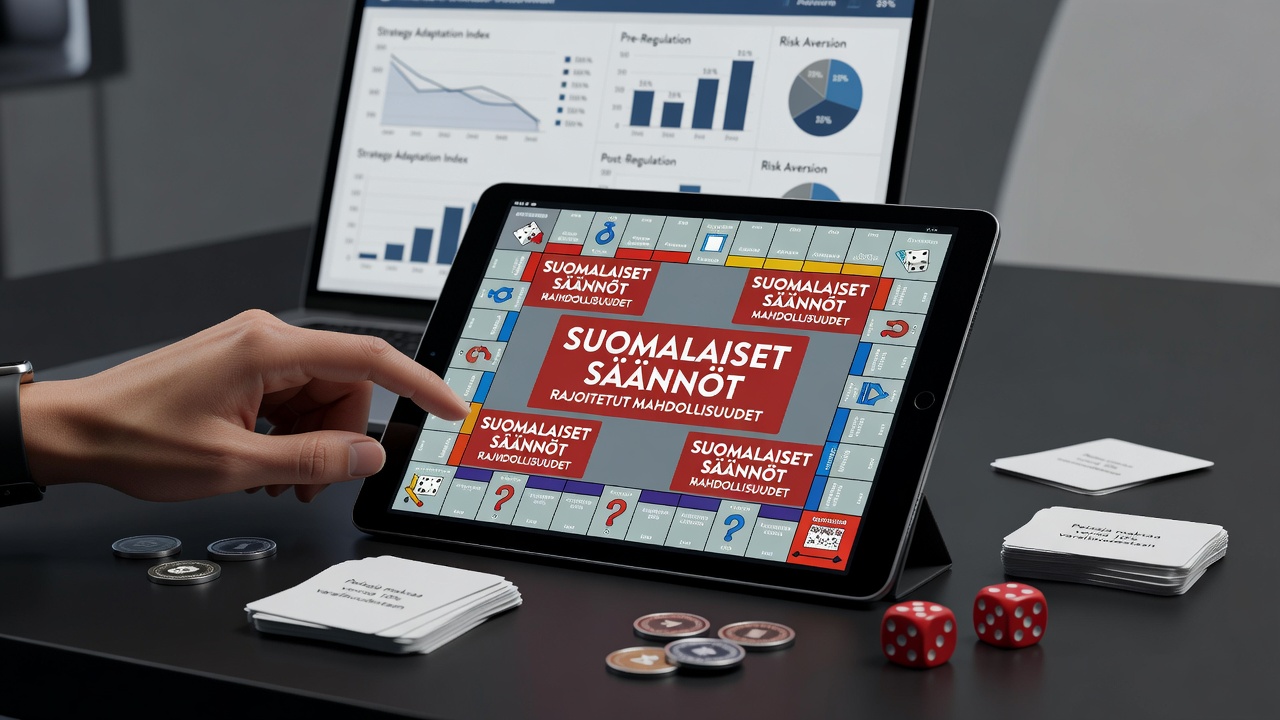
Finnish Monopoly Rules Shape Strategy Adaptation in Regulated Mobile Table Games
Finland maintains a state-controlled monopoly on gambling operations through Veikkaus, which holds exclusive rights to offer most forms of gaming including mobile table games such as roulette, blackjack variants, and poker, and this structure directly influences how participants adjust their approaches within the regulated environment. The monopoly framework, established under national legislation, restricts market competition while enforcing standardized rules across all licensed mobile platforms, which in turn limits variations in game mechanics that players might otherwise encounter in open markets. Researchers at the Finnish Institute for Health and Welfare have tracked these dynamics through annual reports, noting that the centralized control leads to uniform payout structures and game parameters that require specific adaptations in betting patterns and risk management techniques.
Core Elements of the Monopoly System
The monopoly operates under oversight from the Ministry of the Interior, with Veikkaus as the sole provider for both land-based and mobile channels, and this setup means all table game offerings must comply with strict licensing conditions that govern everything from random number generator certifications to session time limits. Data from regulatory filings shows that mobile table games represent a growing segment, yet the absence of competing operators eliminates promotional incentives like variable bonus structures or custom rule tweaks that appear in multi-operator jurisdictions. Those who analyze player behavior patterns observe that participants often develop tighter bankroll management protocols because the fixed rules reduce opportunities for exploiting short-term discrepancies across different platforms.
Regulatory Constraints on Mobile Table Games
Legislation requires that all mobile table games maintain house edges within defined ranges, while prohibiting features such as side bets or progressive elements unless explicitly approved, and these constraints force players to recalibrate classic strategies like card counting or probability sequencing that rely on flexible game conditions. A 2025 compliance review highlighted how Veikkaus mobile apps enforce mandatory breaks and deposit caps, which alters session planning compared to unregulated settings where extended play might allow for variance exploitation. Experts examining data logs note that adaptation frequently involves shifting focus toward conservative wagering during initial rounds to account for the predictable mathematical models embedded in the monopoly-approved software.
What's notable is the way age verification and self-exclusion tools integrate directly into mobile interfaces, creating additional layers that influence long-term engagement strategies without introducing external variables from third-party promotions. According to figures released by the Ministry of Social Affairs and Health, participation rates in regulated mobile table games remained steady through mid-2026, reflecting how the monopoly channels activity into a single ecosystem where rule familiarity becomes a primary strategic asset.
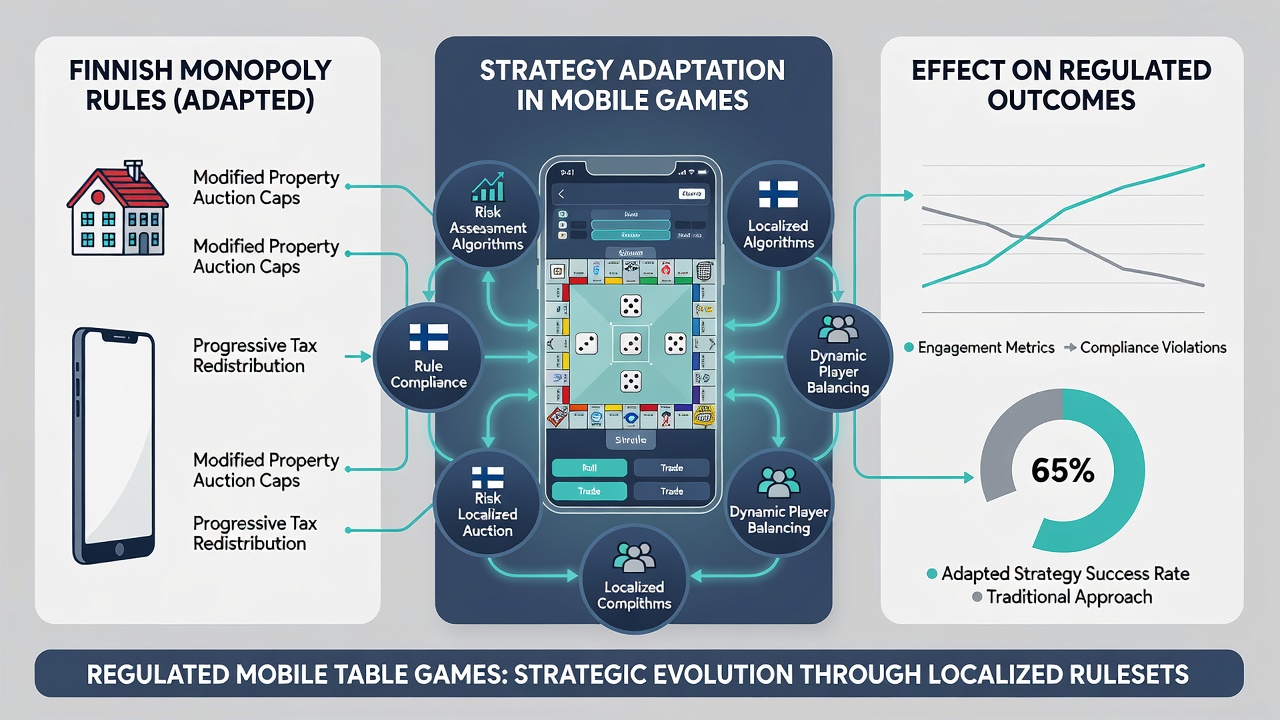
Player Strategy Adjustments Under Monopoly Conditions
Observers have documented several recurring adaptations among Finnish mobile table game users, including increased emphasis on game selection based solely on rule transparency rather than promotional overlays, and this shift stems directly from the monopoly's prohibition on operator-specific incentives. Research indicates that users frequently employ simplified progression systems because the standardized deck compositions and shuffle algorithms eliminate many of the edge-hunting techniques viable elsewhere. Data compiled by academic teams at the University of Helsinki demonstrates that average session durations align closely with enforced time-out requirements, prompting participants to prioritize high-efficiency decision frameworks over exploratory betting.
One notable pattern involves cross-referencing official rule disclosures published by Veikkaus ahead of any software updates, which allows experienced players to pre-adjust optimal play charts without the distraction of competing product variations. Reports from September 2026, released as part of routine transparency updates, confirm that mobile table game volumes showed consistent growth while strategy forums and community discussions centered on mastering the fixed parameters rather than seeking regulatory loopholes. The ball remains in the players' court when it comes to internalizing these uniform conditions, since external market signals no longer provide comparative benchmarks.
Comparative Context from Other Regulated Markets
Studies conducted by Canadian gaming research groups reveal parallels with Finland's approach, where monopoly or near-monopoly models similarly channel strategy development toward rule mastery instead of promotional arbitrage, yet Finland's mobile integration adds unique layers through nationwide app standards. European Union-wide assessments further show that centralized control correlates with lower variance in player outcomes, which encourages methodical bankroll allocation over aggressive variance plays. Those reviewing cross-border data find that Finnish participants tend to maintain more consistent return-to-player expectations because monopoly rules eliminate the wide swings sometimes introduced by aggressive marketing tactics in less restrictive regions.
Conclusion
The Finnish monopoly framework continues to define the parameters within which mobile table game strategies evolve, with regulatory consistency serving as both a constraint and a stabilizing factor that channels adaptation efforts into predictable, rules-based refinements. Evidence from government reports and independent analyses underscores how these structures shape participation patterns without introducing competitive distortions, leaving room for ongoing observation as mobile technologies advance within the established legal boundaries.