Mapping Secure Banking Routes for Finnish Enthusiasts Exploring Live Dealer Blackjack on Mobile Devices
Secure banking routes for Finnish players engaging with live dealer blackjack on mobile devices involve layered protocols that combine national banking systems with international payment standards, and these routes continue to evolve as technology advances through 2026. Finnish financial institutions integrate directly with e-wallet providers and instant transfer services that meet strict encryption requirements, allowing transactions to process without exposing card details during mobile sessions.
National Banking Integration in Finland
Finnish banks such as Nordea and OP Financial Group support instant transfers through systems like Trustly and Brite, which connect player accounts to gaming platforms while maintaining compliance with European payment directives. These connections rely on open banking APIs that authenticate users via mobile banking apps, reducing the need for manual entry of sensitive data during live dealer sessions. Data from the Bank of Finland shows that over 85 percent of digital transactions in 2025 used such API-based verification, and projections indicate further growth by August 2026 when additional EU-wide mobile authentication rules take effect.
Payment flows typically begin when a player initiates a deposit through a licensed operator's mobile interface, at which point the banking app redirects the request to confirm identity and authorize the amount. This process keeps account details confined to the bank's secure environment rather than passing through third-party servers.
Encryption and Compliance Standards
Security relies on PCI DSS Level 1 certification for any service handling card or account data, a requirement enforced across operators serving Finnish users. According to the PCI Security Standards Council, certified providers must implement end-to-end encryption and regular vulnerability scans to protect transaction streams on mobile networks. Finnish operators further align with FIN-FSA guidelines that mandate two-factor authentication for all financial movements exceeding set thresholds, and these measures apply equally to live dealer blackjack platforms accessed via smartphones or tablets.
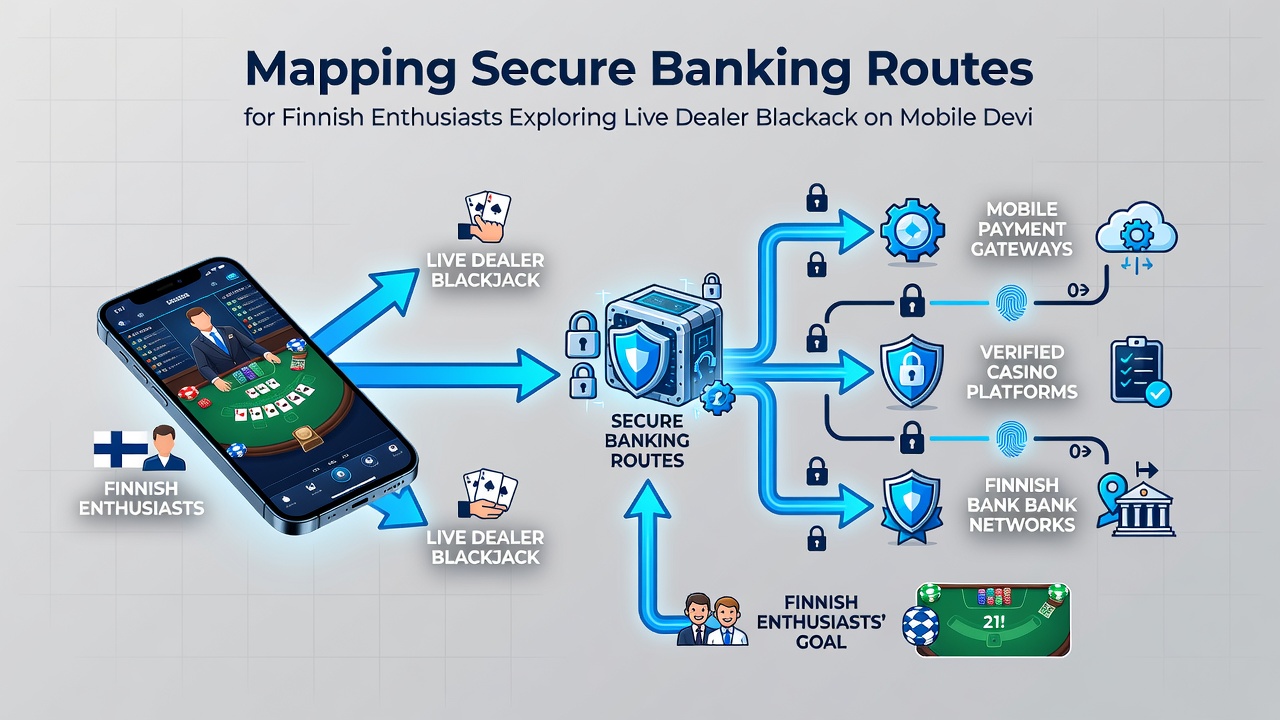
Mobile-Specific Routing Considerations
Mobile environments introduce variables such as variable network strength and device storage practices that affect how banking routes maintain integrity. Operators address these factors by requiring app-based sessions to route through HTTPS tunnels and by disabling local caching of transaction tokens. Finnish users often rely on biometric logins within their banking apps, which add a device-level security layer that complements the operator's own verification steps. Research from the University of Helsinki on mobile financial security indicates that biometric methods reduce unauthorized access incidents by approximately 40 percent compared with password-only systems, and many live dealer platforms now incorporate these options into their deposit flows.
Route mapping also accounts for cross-border elements, since some Finnish players access international live dealer tables. In such cases, transactions pass through EU-regulated payment gateways that apply standardized anti-money laundering checks before funds reach the gaming account. August 2026 brings anticipated updates to the EU's digital finance framework, which will require enhanced real-time monitoring for mobile transactions above certain limits, and Finnish banks have already begun testing compatible systems.
Alternative Transfer Methods and Their Protocols
Prepaid cards and cryptocurrency wallets represent secondary routes that some Finnish enthusiasts use for live dealer blackjack, though these require separate security mapping. Prepaid options connect through Finnish retailers that verify identity at purchase, while cryptocurrency transfers depend on blockchain confirmations and wallet providers that meet European travel rule standards. Observers note that these alternatives often involve additional confirmation steps to align with national reporting requirements, and their adoption remains lower than direct bank transfers among mobile users.
Transaction monitoring tools track patterns across all routes, flagging unusual activity for review by compliance teams. Finnish regulations require operators to maintain records of every deposit and withdrawal for a minimum period, supporting both player protection and regulatory oversight.
Conclusion
Mapping secure banking routes for Finnish mobile users of live dealer blackjack therefore centers on established national banking infrastructure, certified encryption standards, and device-specific safeguards that together support reliable fund movement. As August 2026 approaches, ongoing adjustments to EU and Finnish requirements continue to shape how these routes operate, ensuring alignment with current security expectations across the sector.