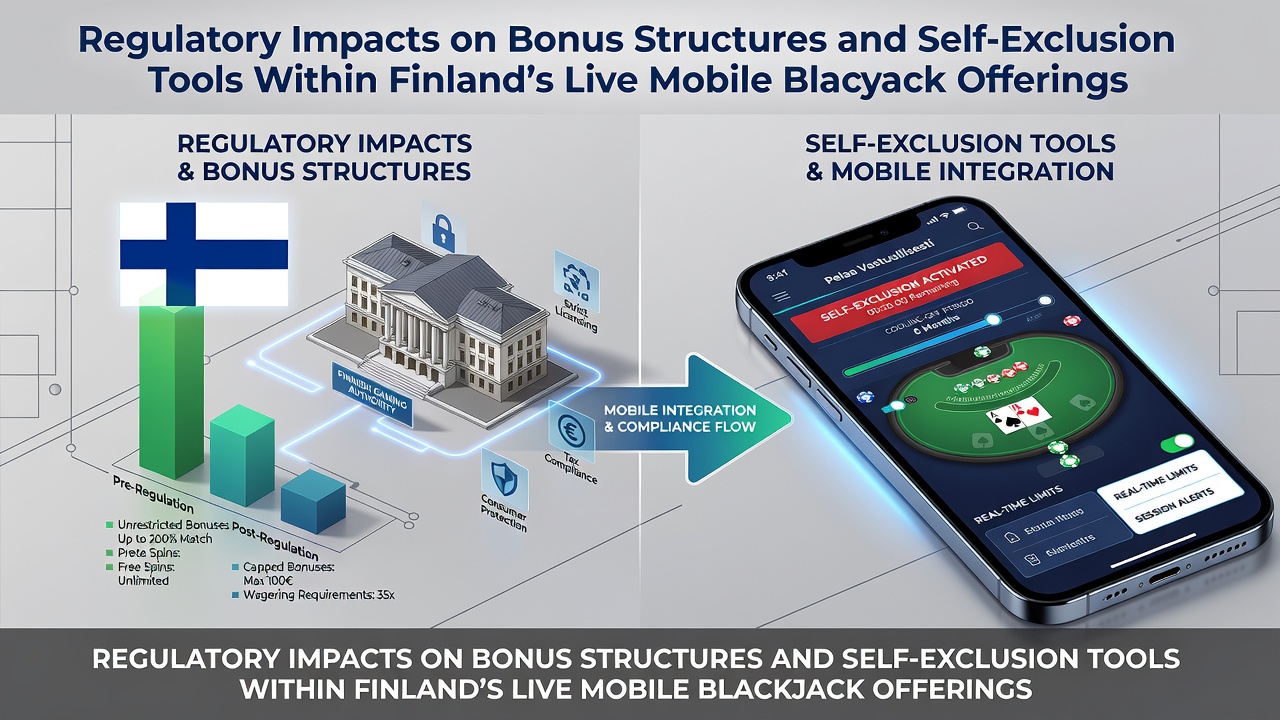
Regulatory Impacts on Bonus Structures and Self-Exclusion Tools Within Finland's Live Mobile Blackjack Offerings
Finland maintains a state-controlled gambling framework through Veikkaus while offshore operators continue to serve Finnish players via mobile platforms, and this setup creates direct effects on how bonuses appear in live blackjack offerings and how self-exclusion systems function across devices. Regulatory pressure shapes bonus availability because operators must align promotions with national rules that limit aggressive marketing and require clear terms that players can review before accepting any offer.
Current Framework Governing Mobile Blackjack
Legislation requires that all bonus structures tied to live dealer blackjack sessions disclose wagering requirements in advance, and operators respond by adjusting contribution rates so that blackjack play counts toward completion at reduced percentages compared with other games. Data from industry reports shows these adjustments limit the maximum bonus amounts offered on mobile apps because higher caps trigger additional compliance checks that slow down promotional rollouts. Those who track regulatory filings note that Finnish authorities examine bonus terms for any language that could mislead players about withdrawal conditions, which leads providers to simplify reward structures rather than expand them.
How Bonus Rules Shape Live Mobile Experiences
Live mobile blackjack offerings typically feature time-limited deposit matches or cashback tied to session length, yet regulators review each format to confirm it does not encourage prolonged play without breaks. Research indicates that when bonus funds must be used within strict time windows, operators build automated reminders into the app interface that pause play after set intervals. This approach satisfies oversight bodies while preserving player engagement through structured incentives that remain visible on smaller screens during live dealer rounds.
Self-Exclusion Integration in Mobile Environments
Self-exclusion tools must operate across all channels including live mobile blackjack, and Finnish rules require operators to honor exclusion requests within 24 hours of submission. Systems allow players to set exclusion periods that block both account access and any active bonus claims, which forces platforms to link exclusion databases directly to game servers so that ongoing sessions terminate automatically. Observers note that mobile implementations include biometric confirmation steps to prevent accidental reversals, adn these measures align with broader data protection standards that apply to all Finnish-facing services.
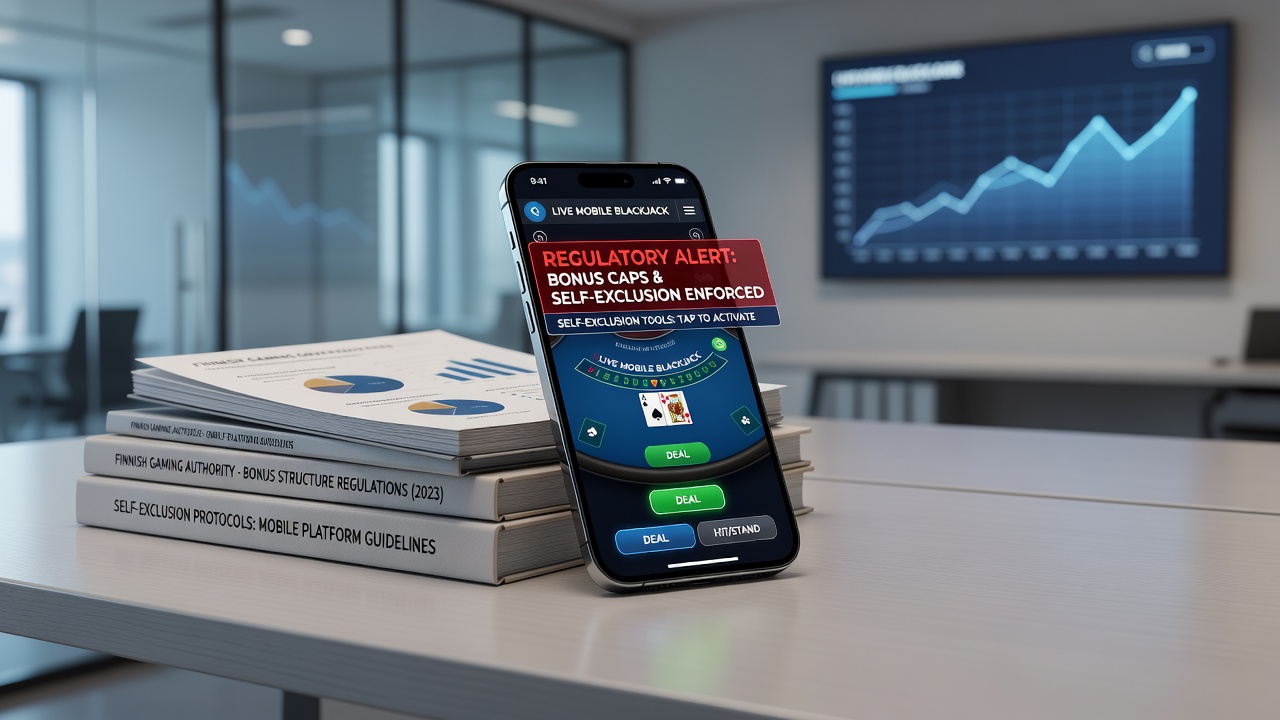
Operators must also coordinate with the national exclusion register so that a player blocked on one platform cannot open an account elsewhere to chase bonuses in live blackjack rooms. Studies from European research centers reveal that synchronized registers reduce repeat registrations by measurable percentages, and mobile providers have updated their verification flows to query the central database before any bonus activation occurs. This coordination affects how quickly players can return after exclusion ends because re-entry requires fresh identity checks that reset bonus eligibility counters.
August 2026 Implementation Timeline
Updated technical standards scheduled for August 2026 will require all live mobile blackjack interfaces to embed real-time self-exclusion status checks at the start of every session, and operators are preparing API connections that pull exclusion data without delaying game loading times. Bonus structures face additional scrutiny under the same timeline because new reporting obligations will track how often players use promotional funds after completing exclusion periods. Figures released by regulatory working groups show that compliance testing begins in early 2026, which gives platforms time to adjust mobile layouts so that exclusion prompts appear alongside bonus claim buttons without overlapping critical game controls.
Comparative Approaches from Other Jurisdictions
Canadian provincial regulators apply similar bonus disclosure rules that limit how much live blackjack play can contribute to wagering requirements, and Australian research institutions have published analyses of self-exclusion effectiveness that Finnish authorities reference during policy reviews. These cross-border examples illustrate why mobile providers serving Finland integrate flexible bonus caps that scale according to a player's recent activity levels rather than offering fixed amounts across all accounts.
Conclusion
Regulatory requirements continue to influence both bonus design and self-exclusion functionality in Finland's live mobile blackjack market by mandating transparency, rapid response times, and cross-platform coordination. As the August 2026 standards approach, operators adjust their systems to meet the new technical thresholds while maintaining the core features that players expect on mobile devices. Data from multiple sources confirms that these changes produce measurable shifts in how promotions reach users and how exclusion tools interrupt play, creating a structured environment that balances operator flexibility with player protection measures.